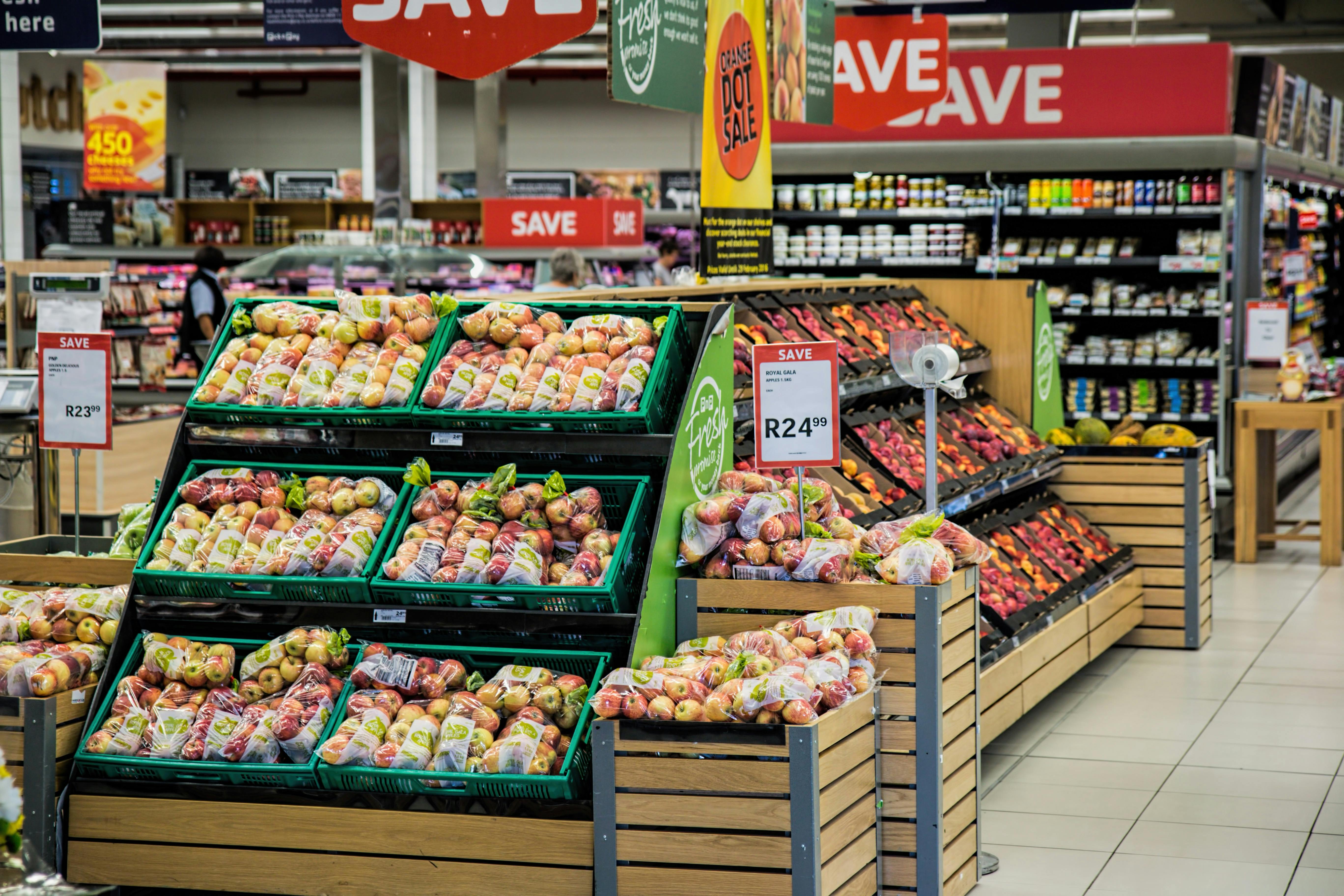
Groceries are the one expense you cannot eliminate, but they are also the expense where small changes add up fastest. Most households in India spend between 25% and 35% of their monthly income on food, and a surprising share of that goes to waste. The good news is that you do not need coupons, cashback apps or loyalty cards to bring the bill down. A handful of plain habits will do it.
Start with a meal plan, not a shopping list
A shopping list tells you what to buy; a meal plan tells you what you actually need. Before you write anything down, decide what you will cook for the next five to seven days. Check your fridge and pantry first — most people buy rice or flour they already have at home. Once the week's meals are fixed, the list writes itself, and you stop buying ingredients that sit unused until they spoil.
Never shop hungry
This sounds like a joke, but it is one of the most studied findings in retail behaviour. Shopping on an empty stomach makes you buy roughly 20% more food, and most of the extra items are snacks and ready-to-eat products with the highest margins. Eat before you leave the house and you will notice the difference at the billing counter.
Buy staples in bulk, perishables in small quantities
Items with a long shelf life — rice, wheat, dal, oil, sugar, spices — are almost always cheaper per kilo when bought in larger packs. Perishables like milk, vegetables, bread and fresh fruit are the opposite: buying in bulk leads to spoilage, which wipes out any saving. The rule is simple: if it lasts months, buy big; if it lasts days, buy what you will actually eat.
Compare unit price, not pack price
Shops regularly stock the same product in two pack sizes, with the larger pack priced to look cheaper but actually costing more per gram. The only reliable comparison is the unit price — usually printed in small text as price per kg or per 100 g. Glance at it before you drop the pack in your trolley. After a few weeks the habit becomes automatic.
Shop the seasonal produce
Vegetables and fruits that are in season are cheaper, fresher and more nutritious because they have not been stored or transported long distances. Tomatoes in winter, cauliflower in summer and leafy greens during the monsoon all cost far more than they should. Learn a rough seasonal calendar for your region and adjust your cooking around it. Your grandmother's recipes already do this — that is why they change with the seasons.
Reduce waste to reduce spend
The cheapest grocery is the one you have already paid for. Indian households throw away a meaningful amount of food each week, mostly vegetables bought with good intentions and cooked too late. A few habits fix this:
- Store vegetables properly. Leafy greens last longer wrapped in a cloth in the fridge; onions and potatoes should be kept apart.
- Cook flexible meals. A single base gravy can become three different dishes through the week.
- Freeze before you throw. Extra dal, curry or even chopped vegetables freeze well for two to three weeks.
- Track what you bin. For one month, note what you throw away and why. The pattern will tell you exactly what to buy less of.
Try private-label brands
Supermarket own-brands and no-name staples are often produced by the same manufacturers as the branded versions, at 20-40% lower cost. For basics like salt, sugar, oil, flour and cleaning products, the quality difference is usually negligible. Try one private-label item a week; if you cannot tell the difference, switch permanently.
Shop less often
Every trip to the shop is a chance to buy something you did not plan for. People who shop twice a week spend noticeably more than those who shop once, even when the lists are identical. Consolidate to a single weekly trip and you will cut impulse buying without trying.
A simple weekly routine
If you want one system that captures all of the above, try this:
- On Friday evening, check what is left in the fridge and pantry.
- Plan five to seven meals around what you already have.
- Write a list of only the missing items.
- On Saturday morning, eat breakfast, then shop once with the list.
- On returning home, store perishables properly and freeze anything you will not cook within three days.
None of these steps requires an app, a coupon or a membership card. The saving comes from planning ahead, buying what you need and using what you buy. Do this for a month and compare your grocery bills — most households see a 20-30% drop without feeling any reduction in what they eat.